
Across Europe, workplace and building compliance is becoming harder to manage not simply because there are more obligations, but because those obligations sit across several layers. Some requirements come from EU directives and regulations, while others are shaped by national law, technical standards, insurers, and local enforcement practice. For organisations operating across multiple countries, that means the core risks may be familiar, but the route to compliance is not always the same.
In practice, the biggest problem is rarely a total lack of activity. It is fragmentation. Assets, inspection schedules, certificates, contractor reports, remedial actions, and supporting evidence are often spread across spreadsheets, shared drives, portals, and email trails. Under audit pressure, that makes it difficult to show a clear line between what must happen, what did happen, what was found, and how issues were resolved. It also makes it harder to see where risk is building across the portfolio.
This guide takes a practical view of that challenge. It focuses on the technical compliance domains that create the greatest operational and audit exposure across European portfolios, including water safety, gas, electrical systems, fire, lifts, pressure equipment, asbestos, HVAC and ventilation, and energy performance. It also shows where national implementation matters by providing examples for the Netherlands, Belgium, Germany, France, Italy, Spain, Austria, and the Nordics.
The central argument is simple. Stronger compliance depends less on isolated inspections and disconnected records, and more on a structured operating model. Organisations perform better when they can link assets, obligations, recurring tasks, documents, findings, and follow-up actions in one coherent system, with enough flexibility to reflect local differences without losing central visibility.
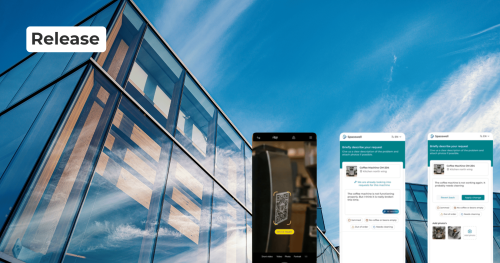
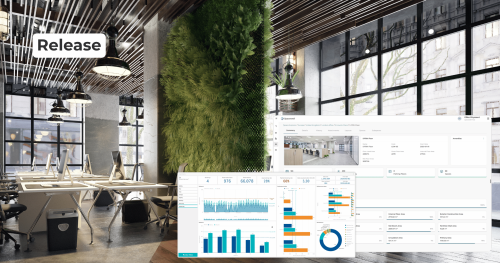
That is why the guide closes by reframing compliance as a live digital register rather than a periodic reporting exercise. Spacewell Asset supports that model by providing the operational backbone for assets, maintenance, inspections, evidence, and remedial tracking across buildings and portfolios. Spacewell Workplace extends the same logic into day-to-day workplace use by connecting occupancy, reservations, issue reporting, and service workflows to the wider facilities environment. Together, they help organisations move from fragmented compliance activity to a more controlled, auditable, and repeatable model across countries, buildings, and teams.