This release builds directly on the Space Management foundationthat lets you work directly with your floorplans instead of just reports. You can import plans, manage your entire space portfolio, and track allocations over time from one place. It turns Workplace into the tool where you actually plan, assign, and optimize space, not just see what already happened. And now with the AI assistant available to all end users, we have the biggest convenience update in years.
The Spacewell AI assistant reaches general availability
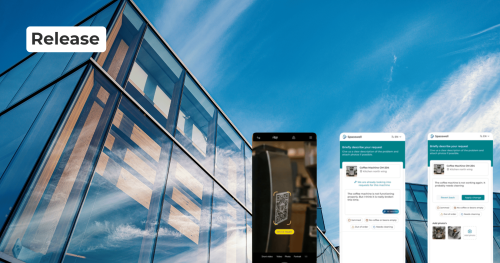
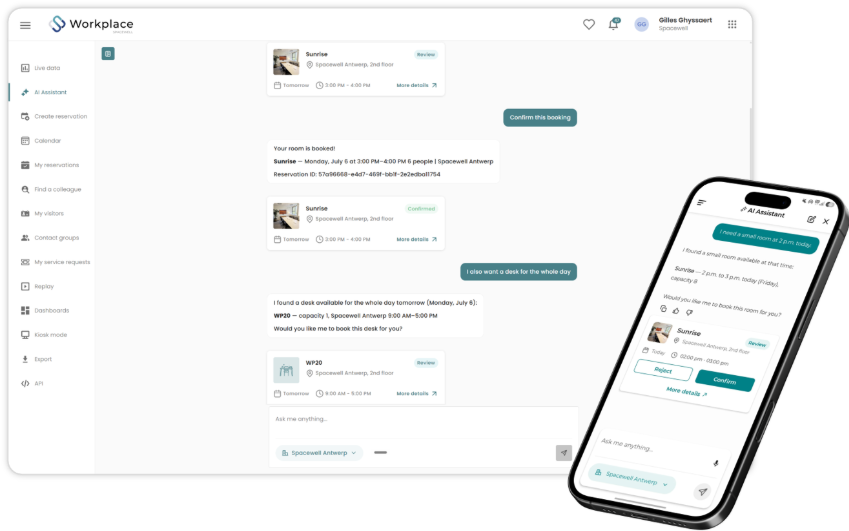
The Spacewell Workplace AI Assistant is now available. Users can manage reservations entirely through natural language, “book me a desk on Tuesday, Thursday, and Friday” and the reservations are made in seconds, no forms required.
It supports more than 30 languages natively, and it recognizes and replies in whichever language you use. The AI assistant also factors in your booking history and preferences (unless anonymization is enabled), so repeat behavior, like a consistently preferred desk, shapes its suggestions over time. The next release will extend it further, adding the ability to log and report issues conversationally, not just make bookings.
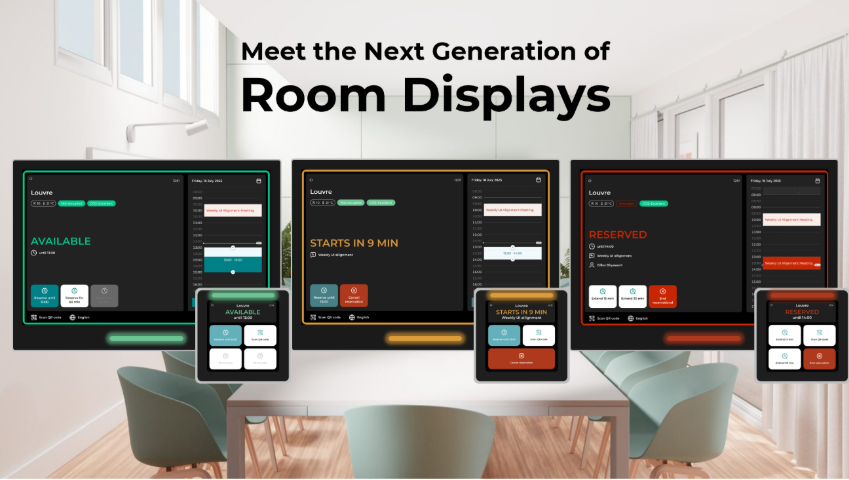
A complete redesign of the Workplace Room Display
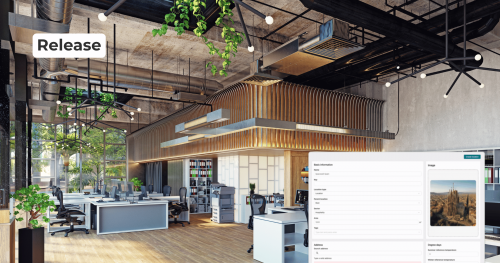
The Room Display panel sitting outside meeting rooms is getting its biggest upgrade in a long time.It’s moved from a native application to a Progressive Web App, meaning every device automatically runs the latest version, no native builds, no fragmented versions across hardware.
It stays connected to Outlook, Microsoft Places, Google Workspace, Teams, and Zoom, and is natively synced in real time with Spacewell Workplace, regardless of whether a booking originated from the Spacewell Workplace app, workplace web dashboard, the Workplace AI assistant, or a kiosk. For migration, we use the same centralized deployment model already in place, so there is no site visits required, and existing hardware doesn’t need to be replaced.
Space Management: regions, bulk allocation, and archiving
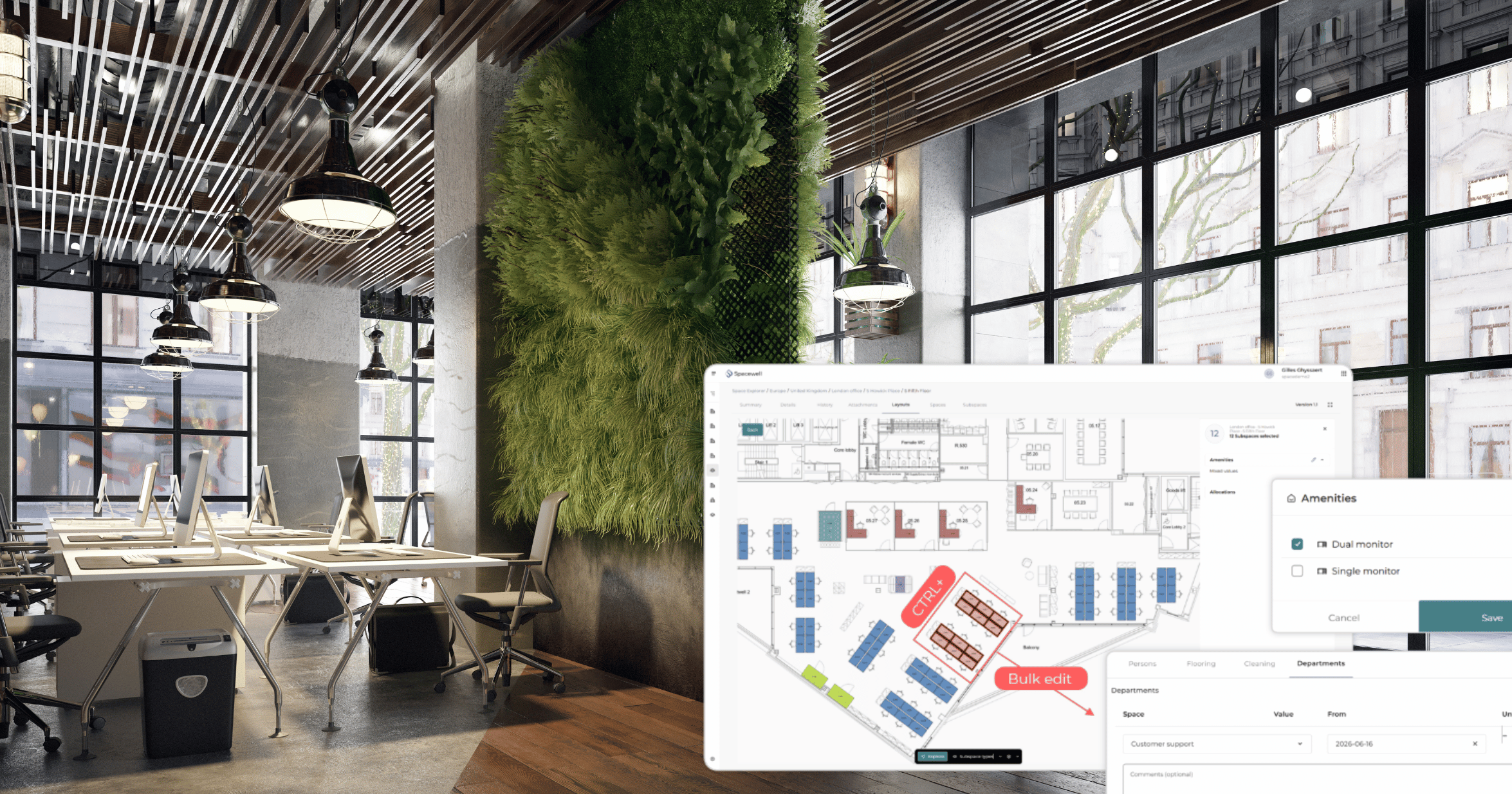
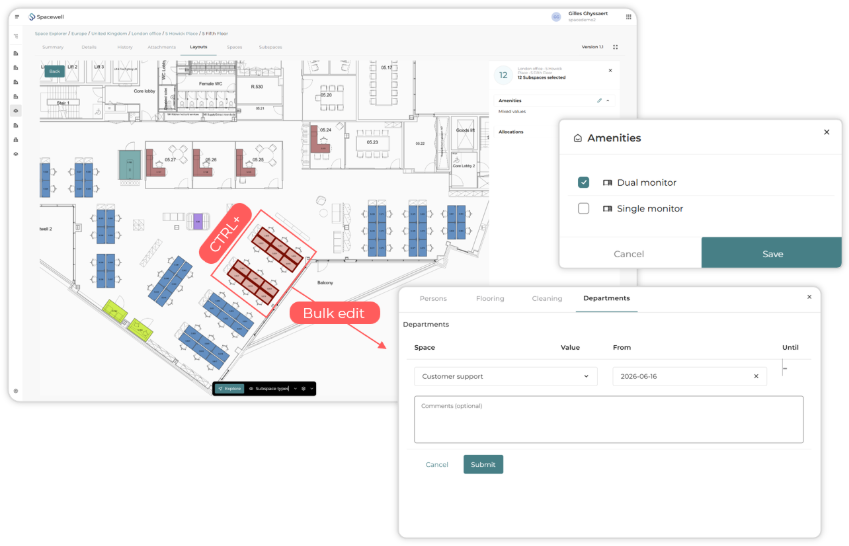
Following last release’s introduction of Space Management, this update adds the capabilities larger portfolios were asking for. Regions can now be structured hierarchically with unlimited subregion levels, useful for enterprise customers migrating from older systems. Bulk allocation lets you multi-select spaces, whether in a table or directly on a floor plan, and assign them all at once to a department, cost center, or floor type, replacing what was previously a space-by-space process. And spaces can now be archived rather than deleted, removing clutter from daily use while keeping historical data intact for reporting (archiving can’t be undone, so it’s permission-gated).
A more informative, smoother reservation flow
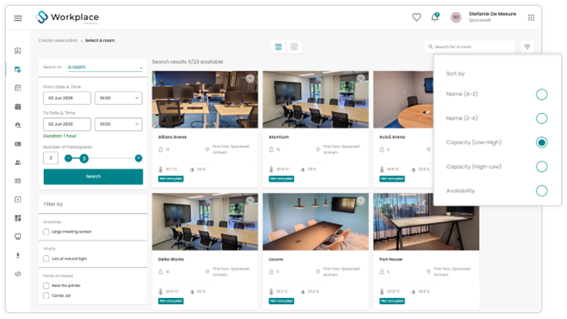
Reservable descriptions for spaces, services, and equipment, already available on mobile, are now in Spacewell web dashboard (GO) and Room Finder too, so users see context like room specs or catering details before booking. Room search results now sort by capacity by default, encouraging more efficient use of available space. Changing a reservation date no longer resets the selected time. And default cost centers, inherited from the employee record, now auto-populate on new reservations, reducing manual entry and errors. Spacewell web dashboard (GO) also now supports Intercom-powered in-app updates, alerts, and announcements, the same tech-touch communication model Energy has used for years.
From workplace dashboards to intelligence
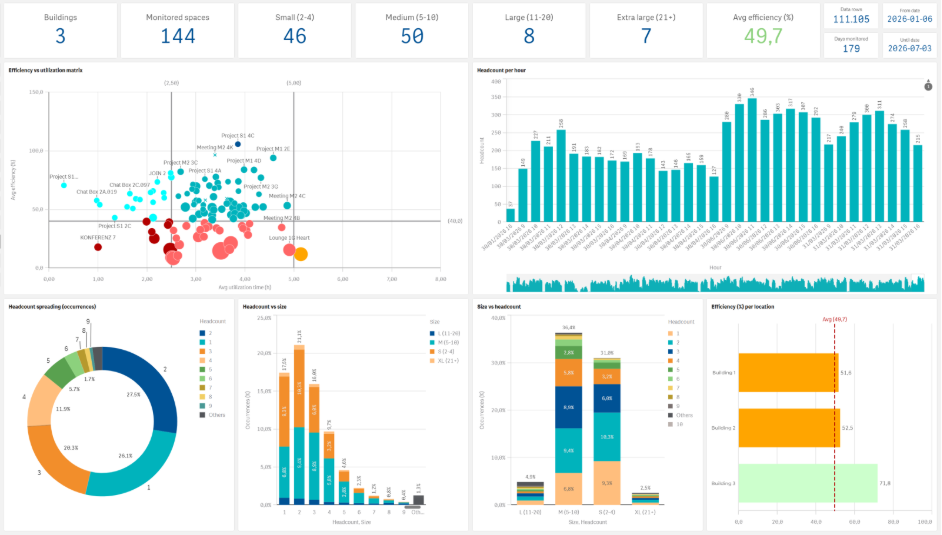
Spacewell’s broader analytics strategy spans five layers: operational reporting, best-practice BI dashboards, the open data platform, embedded AI insights, and predictive planning. This release adds a new Space Efficiency dashboard (For Ultimate users), which measures sensor-based headcount against room capacity to flag whether meeting rooms are right-sized, are large rooms being used by single occupants, are smaller rooms overcrowded, so portfolios can be reallocated without disrupting how people actually work.
Other existing dashboards get smaller refinements, including better-tuned decimal precision per metric.
Hardware and lifecycle updates
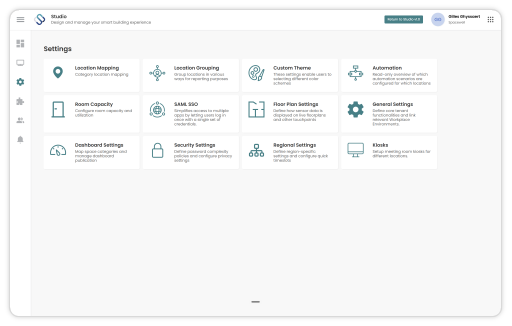
Door count sensors now ship in minimum order quantities of 10 for more predictable supply. Kiosk and Room Display hardware will move to Android-only going forward, with the Windows floor kiosk continuing but losing side-loading support after December 2026 (Microsoft Store distribution remains). And several legacy administrative settings have finally completed their migration from the old Studio interface to the modern one, a visible step toward a broader unification of the platform’s back-end tools.
What this means for you
Conversations are replacing clicks, space planning is getting faster to configure, and the data layer underneath it all is maturing toward something genuinely predictive, not just retrospective.
Not a Spacewell customer yet? Fill out the form below and let our team guide you through the first steps toward a smarter, more connected workplace.