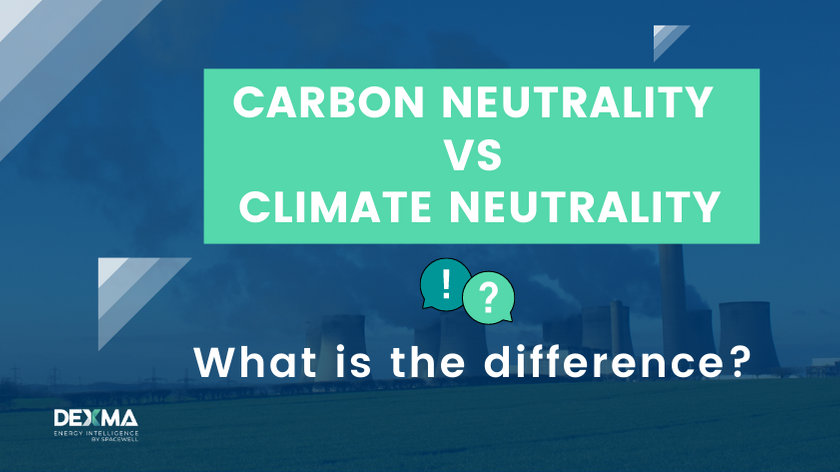
Carbon Neutrality and Climate Neutrality are often used interchangeably, but they are not the same thing. In this article, we explain the difference between them and how to get a Neutral Carbon certification for your company. Click on “Read more”, and find out what the differences are:
How to overcome the Fear of Energy Efficiency

There is no energy manager who has not feared energy efficiency. Despite increasingly tougher energy and environmental regulations, energy efficiency fundings and grants… Some customers still panic about investing in energy efficiency.
Today we help you to clear up the 5 most frequently asked questions that cause fear of energy efficiency in SMEs and other businesses.
Study on European Energy Consumption before and after Covid-19 [CONCLUSIONS]
It seems clear that many things have changed due to the pandemic phenomenon, including European energy consumption in stores, industries and offices. So, what if we analyse their behaviour before and after Covid-19 crisis? Go to the article and discover the 10 conclusions of the comparative study about pre and post covid consumption.
[Covid-19 Impact] How to readjust your Energy Baseline calculation
Whether you are currently implementing an energy-saving and efficient project or you are planning to start in the coming weeks, you will be interested to know how you can adjust your baselines taking into account the impact of Covid-19. We give you the keys below:
My utility needs an EMS solution: Should I build it myself or outsource?

So, you’re responsible for new product offerings at a utility – or maybe you’re responsible for operational efficiency at a big corporation. And, as a team, you’ve decided to highlight energy management as a key new area of growth and/or to reduce your own internal energy consumption.
But, where do you start?
What do you need to put before senior management to make sure this gets over the line?
How can you be sure the approach you choose isn’t going to backfire later?
You will find the answers to all these questions below:
ENERGY 4.0: How Digital Evolution is Shaping the Future of Electricity

The evolution of technologies and the introduction of IoT in the industry has not only led to the new Industrial Revolution 4.0 but also to the emergence of Energy 4.0. In this article, you will find out how they relate to each other, and what benefits and challenges the digital revolution has brought to the energy world. If you are interested, keep on reading!
Spacewell acquires Dexma and places its global hub for intelligent energy management in Barcelona
- Dexma’s software will complement the smart building management solutions of technology firm Spacewell, integrated into the Nemetschek group listed on the Frankfurt Stock Exchange
- First combined offering for smart building, facility and energy management
Pinelopi Spyropoulou from JustaEnergia talks about the Eco-Bot Project [INTERVIEW]
We are in an era where it is crucial to constantly innovate and find new ways of raising sustainability awareness amongst customers. “Not always an easy task” you would probably say!
For Utilities, OEMs or ESCOs, one of the means to actively engage customers is using trending technologies, solutions and apps.
This is why, in an urge for energy efficiency, Eco-Bot was brought to life!
Compressed Air Systems: key to Energy Efficiency in Manufacturing
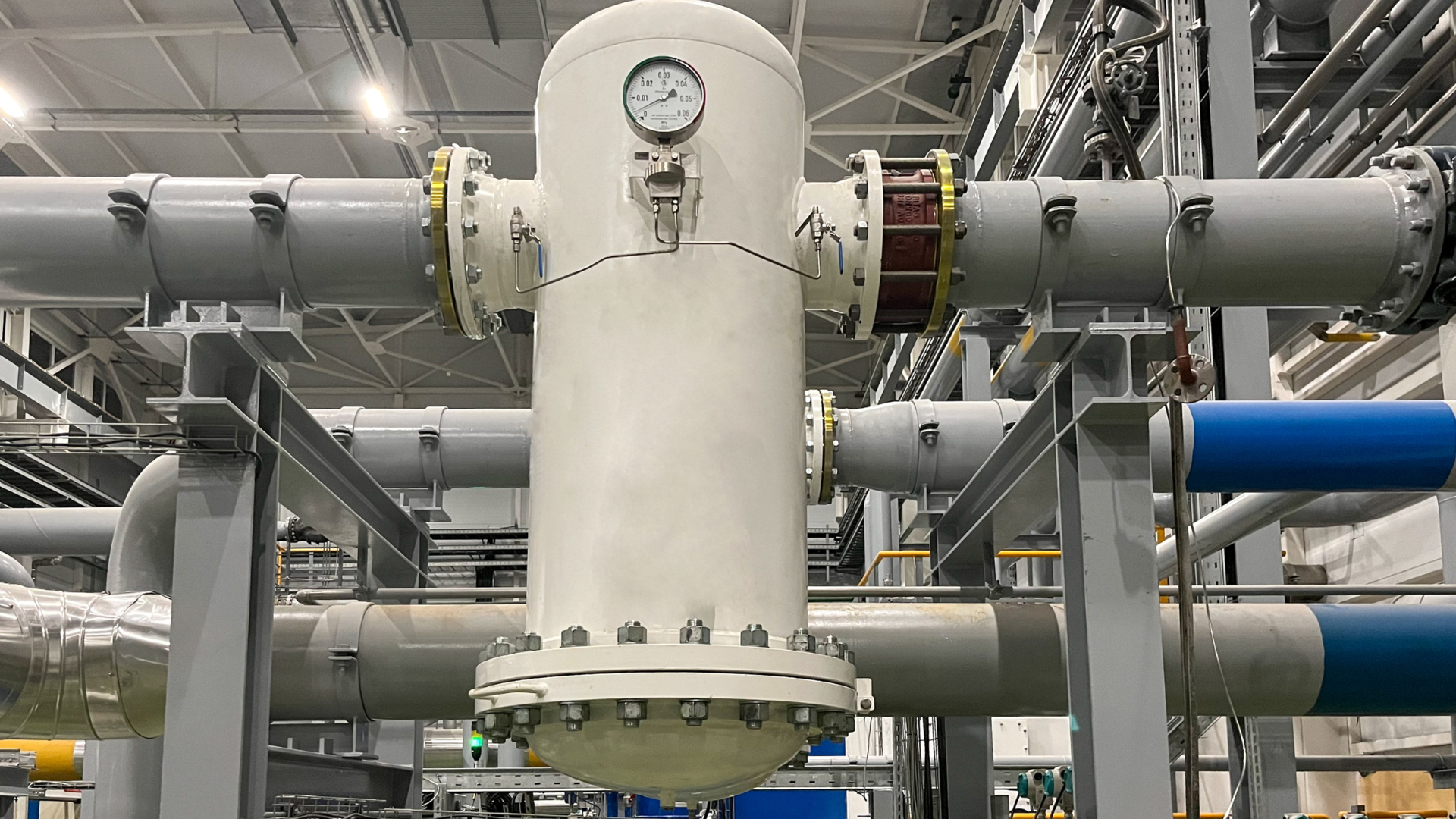
Compressed air can be defined as a mass of air that is at a higher pressure than atmospheric. It is used as energy or to accumulate it for later use. It is considered by some authors as the fourth energy, after water, gas and electricity.
The use of compressed air in manufacturing is very common, as it is used for many applications, it is faster than hydraulic systems and it can be generated locally. The vast majority of production processes use it. In this article, we review the main advantages of using compressed air system monitoring.
Top 5 Services that the Utilities of the future must offer their Customers
Digitalisation opens up an unparalleled opportunity in the world of energy trading to improve the energy products offered conventionally, and to create new solutions and business models strongly linked to digital technology.
We are at a time in the sector when it is no longer enough to rely on yesterday’s typical products and services (flat rates, maintenance services, etc.). Customers, and especially Business-to-Business (B2B, also known as non-residential) customers, expect to find an energy supplier that offers a complete service that not only meets the needs they may have today, but also those that may arise tomorrow (energy efficiency regulations, audits, corporate image, energy transition, etc.).
Building Technologies: Who’s Who?
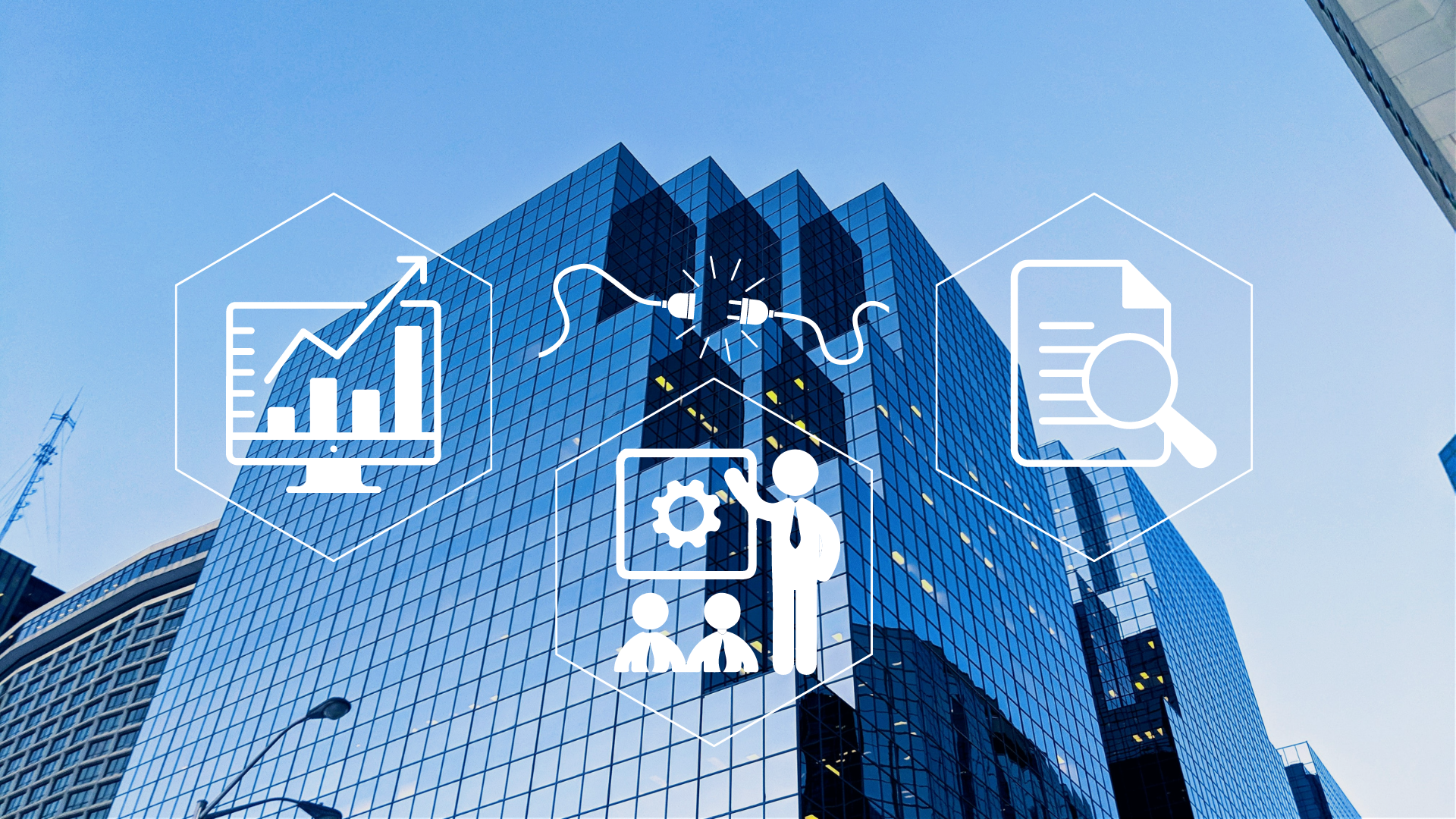
Technology is transforming the way we use buildings, and the impact they have on our environment. There’s a long list of tech tools available now in the market to improve your building’s performance. This could make it complicated for the energy manager to understand who’s who in this market, and what building technology you can […]
Energy Efficiency Optimisation in Buildings for Urban Sustainability
The challenges and goals for architects, urban designers and owners of buildings are not related anymore with making the most impressive and most challenging buildings in terms of height and complex shapes. Or at the very least, not without targeting the sustainability of the building, such as NZE Buildings.
It is not that there is not a desire to create modern-looking buildings. It is that architecture and urban design are facing the need, and in some cases the demand, for buildings to be built with the environment at their foundation.