Client
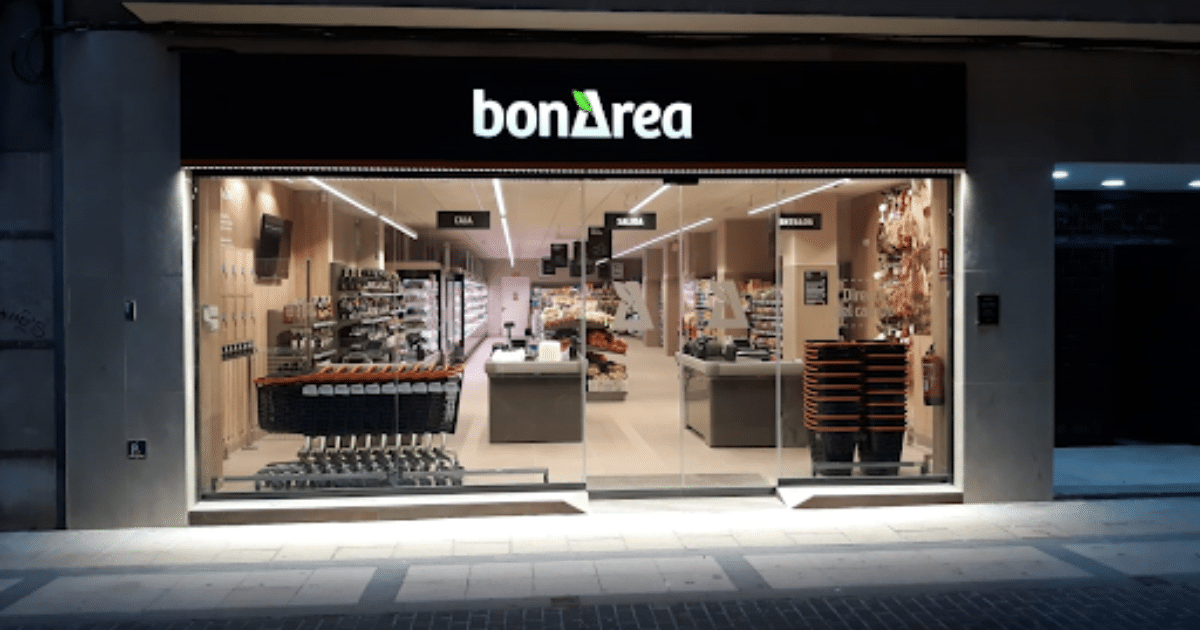
bonÀrea
Scope
Pilot in 15 food stores to test the capacity of Spacewell Energy to reduce energy costs across stores. Being expanded to further locations.
Saving Energy in Food Stores
Retail businesses in Europe are among the highest energy consumers across industries. In fact, they are responsible for approximately 25% of global emissions, and in the UK alone, the sector spends over £3.3 billion per year on energy. These costs aren’t just financial, they carry a significant environmental impact, contributing around 215 MtCO₂e in emissions annually.
The drivers of energy usage in retail environments are consistent: lighting, heating, ventilation, and especially refrigeration in food-related sectors. Inefficiencies in these systems not only inflate operating costs but also detract from sustainability goals and operational resilience.
This is where effective energy management comes in. By identifying areas of waste, streamlining energy consumption, and optimizing energy-intensive systems, retailers can lower costs, reduce emissions, and improve the in-store experience for customers and staff alike.
Energy Savings in Retail: The Case Study of bonÀrea
bonÀrea Agrupa, a well-established brand in Spain’s food industry, was created in 1959, and since then the group has maintained complete control over its operations. This means handling everything from breeding and processing to logistics, ensuring products are directly available to consumers in their stores.
With over 600 stores across Spain, the complexity of managing energy consumption and the varied needs of each location has grown. Managing the energy requirements of these stores, particularly for refrigeration and lighting, posed a significant challenge for the organization. To address this, bonÀrea initiated a pilot program for efficient energy management, implementing Spacewell Energy in 15 of their stores.
The primary goal of the project was to demonstrate how the Spacewell Energy platform could detect savings in both energy and costs, and to assess its potential across multiple locations.
The energy challenge: comfort, food safety and cost management
With an average surface of 300m2 per shop and 100% electrical consumption for refrigeration and light, managing their energy needs was a challenge for the organisation. Specially when taking into account the growing number of shops and the energy consumption and different uses in each individual location.
The main objective of this project was to demonstrate detection of savings, both energy and money. As well as justifying, with data, where investment and renovations could be necessary.
Part of the challenge was the nature of bonÀrea’s business. A large proportion of the products are fresh food, including meat, dairy and vegetables, which are directly impacted by the environment and require certain temperatures.
The Energy Solution
The Spacewell Energy solution has helped bonÀrea manage their energy consumption with real time data, using information from the Datadis public hub (in Spain) and integrating all variables such as surface of the shops, location, weather conditions, meters of cold, purchase tickets, etc. Massive data analytics and calculations through Spacewell Energy have been extremely useful to identify energy savings measures and then action them.
Spacewell Energy is being used to monitor the use of energy with real-time data, as well as to evaluate the outcomes after investing in energy efficiency measures. A key feature has been the baseline and measurement and verification (M&V) module, which has been used to track the evolution and savings of the project.
Some of the identified energy saving measures include:
- the reduction of stand-by energy use
- modifications of the shops layout
- insulation and solar protection
- changing the contracted tariffs
Spacewell Energy has also been used to detect anomalies in the consumption, comparing the different shops between each other and concluding where are overconsumptions by comparing shops with similar characteristics by visiting them.
During the pilot phase, 38 energy savings measures were identified, of which the most cost-effective have been selected and implemented. The project was a successful exercise, achieving the return of investment in less than 12 months.
Key Takeaways from bonÀrea’s Energy Management Pilot
- 38 energy-saving measures identified, with ROI achieved in under 12 months.
- Average shop savings of 5.6%, and up to 22% in certain locations.
- Power optimization improvements averaging 22%, and as high as 45%.
- Post-pilot, 283 shops joined the initiative, with over 200 stores actively monitored through the platform.
Next steps include…
- Expanding the project to all of the shops in the portfolio
- Identifying and implementing further energy saving measures
- Monitoring cold production data, such as setpoints, compressor status, pressure, etc
- Monitoring the photovoltaic systems across the shops, including produced energy, analyzing its efficiency and being able to detect technical problems by using alerts
Want to know more about this and how you can implement similar energy saving measures? Get in touch with Sales and let’s explore our future collaboration.