
Digital data capture as a requirement and competitive advantage
The Building Energy Act in Germany (GEG) has put a key building block into focus since January 1, 2025: the digital recording of energy-related building data. For owners, property managers, and operators of non-residential properties, this means not only a legal obligation, but above all an opportunity if they approach it with the right GEG energy management software. Digital collection of consumption data creates transparency around key energy usage. But it serves not only documentation purposes: with a modern system, inefficiencies can be identified at an early stage, technical systems can be optimized, and long-term costs can be reduced.
Requirements of the GEG for digital data capture with energy management software
Section 71a of the GEG makes it clear: the energy-related data of large buildings (§ 71a GEG) must be collected completely, digitally, and on a regular basis. The goal of GEG is clear: continuous monitoring that makes inefficient consumption visible and therefore allows targeted optimization. A GEG compliant energy management software solution must therefore be designed as an open system and work interoperably with adjacent technologies. This means it can integrate with other systems such as building automation, submetering, or IoT sensors and ensure long-term data storage. In this way, audit-proof documentation is ultimately guaranteed.
Economic benefits of effective energy management
The introduction of GEG energy management software brings several economic benefits at once:
- It significantly increases energy efficiency because consumption data is captured and analyzed automatically in real time.
- It creates genuine cost-saving potential: energy consumption and losses can be reduced, actual demand becomes more transparent, and it can be optimized in a targeted way.
- A data-driven solution improves the property’s ESG rating with factors such as transparency, sustainability, and asset value increase, which has a positive effect on sales and investors.
Technical implementation: How GEG-compliant data collection works
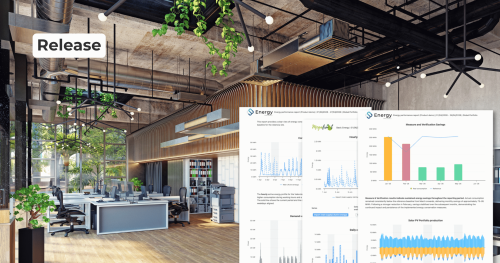
For reliable, digital data collection in line with the GEG, a combination of modern metering technology and intelligent software is required. So‑called smart metering systems or submetering solutions carry out the automated measurement of energy flows—from electricity and gas to heat. These data are then collected centrally and presented in visual form via an energy management software platform. Continuous monitoring at platform level provides benchmarkable results, that is, comparable values between buildings or periods, enabling potential improvements to be identified objectively.
In practice, existing buildings can also be upgraded: via retrofitting, modern consumption meters are installed without major intervention in the existing energy infrastructure. This reduces effort and costs, while legal compliance monitoring becomes possible. Real‑world use cases have shown that digital data collection is increasingly becoming a prerequisite for real estate transactions or when tendering ESG‑compliant investments. In these situations, a central system is indispensable. Retrofitting combined with an intelligent platform reduces manual processes, increases efficiency, and improves scalability.
GEG Energy Management Software: The Key to a Sustainable Future for Buildings
A modern energy management system is therefore more than just a legal safeguard: it is the technical engine for energy‑efficient and sustainable building management. The necessary solutions can be retrofitted easily, even in older buildings, with software that is scalable and compatible with common meters already installed. Automated data collection and AI‑based analysis generate regular action recommendations that reduce energy consumption and minimize CO₂ emissions.
Anyone investing in GEG energy management software today not only meets the legal requirements of the GEG, but also lays the foundation for a communicable ESG strategy, long‑term cost savings, and a digital, future‑proof infrastructure. The digitalization of energy‑related building data is thus not merely a compliance exercise, but a strategic advantage that actively shapes the transformation of the building sector.