Facility management is playing an increasingly important role within organizations. What was once often seen as a supporting function is now more frequently viewed as a strategic discipline that directly influences cost management, sustainability, and the employee experience.
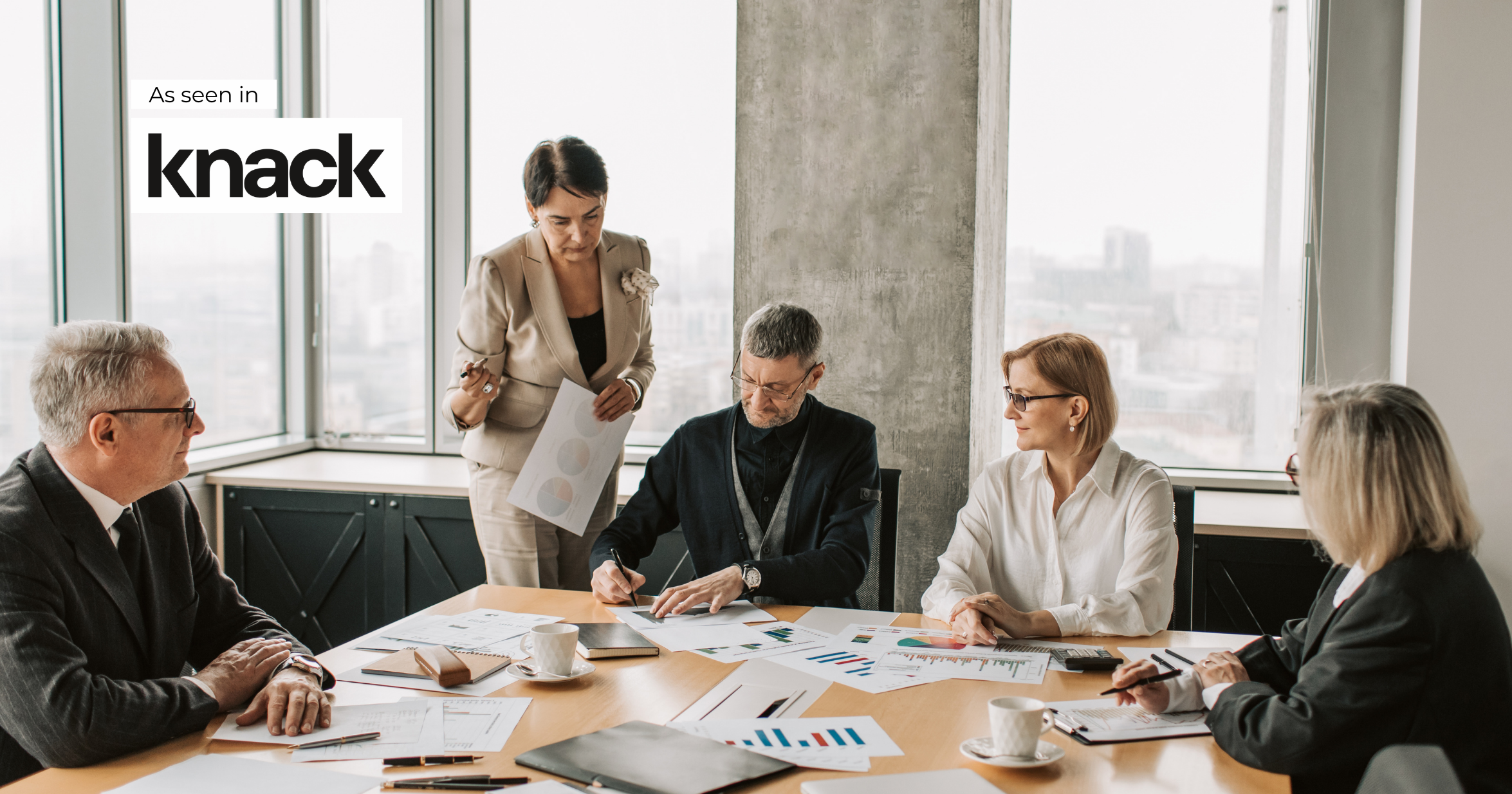
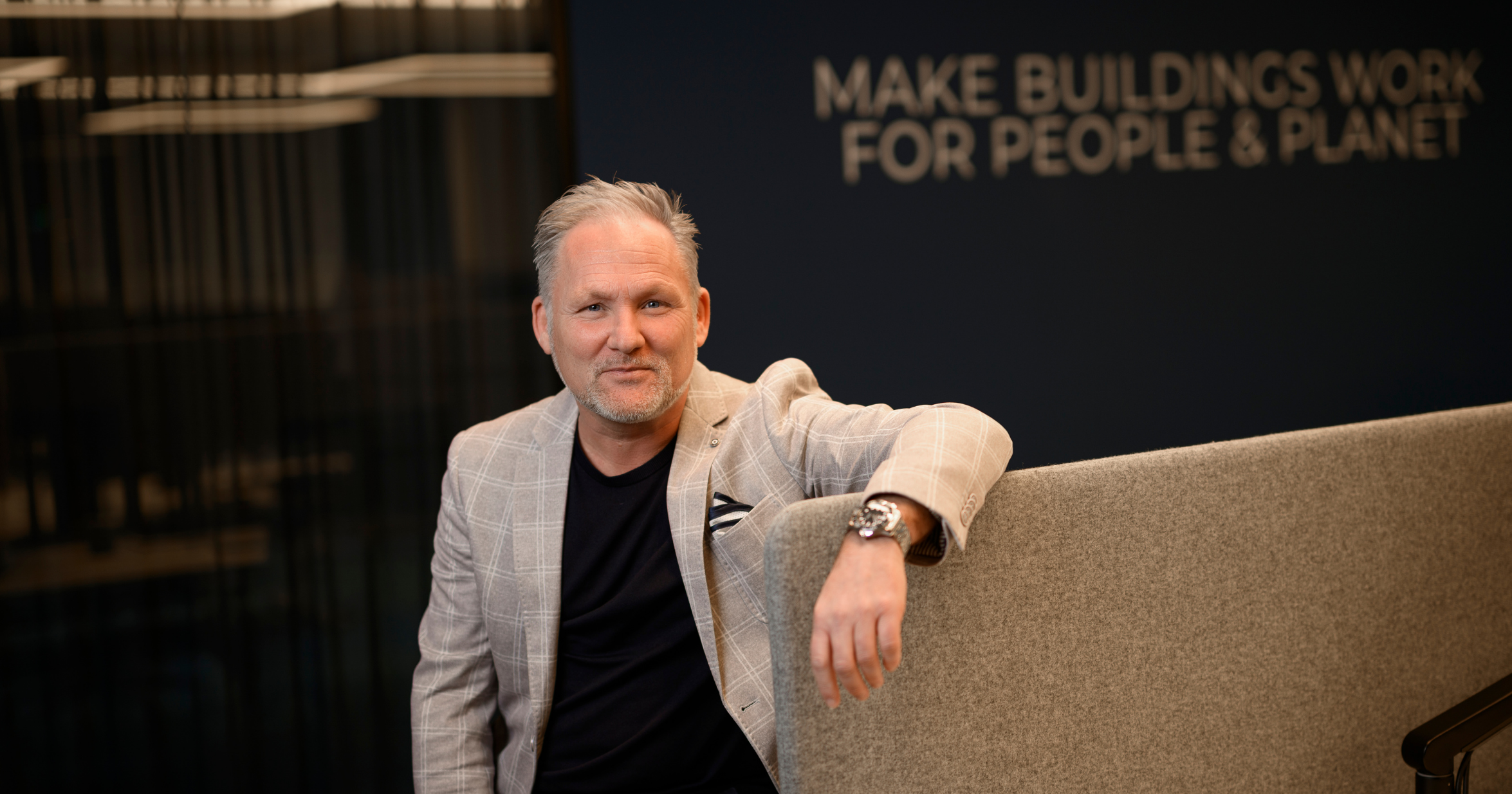
In a recent publication in Knack magazine, a Belgian publisher of sector-focused publications and business content, this evolution is discussed in depth. In that dossier, John Van Tessel, CEO of Spacewell, also shares his perspective on the changing role of facility management and the impact of technology on buildings and workplaces.
People are more expensive than buildings
For most organizations, employees represent the largest cost, while buildings and facility services often come second. According to Van Tessel, this is precisely why attention within organizations is shifting. He explains that companies increasingly realize that their two biggest investments, people and buildings, must reinforce each other, and that buildings need to be managed optimally throughout their entire lifecycle. This is not only about the workplace experience, but also about cost management, energy consumption, maintenance efficiency, and the reliability of installations.
Since COVID, this insight has only become stronger. Many organizations are searching for a new balance between office work and hybrid working. At the same time, employees’ expectations of their working environment are also changing.
“Young applicants do not only ask about salary. They ask about baristas, a healthy lunch, a gym, an inspiring workplace where they can develop themselves. That is the reality.”
– John Van Tessel, CEO, Spacewell
For organizations, this means that workplaces must not only be functional but must also contribute to comfort, flexibility, and an attractive working environment.
The move to the boardroom
According to Van Tessel, the workplace is increasingly being viewed as a strategic asset. This also means that decisions regarding real estate and facility management are more often made at executive level.
“Look at organizations such as Rabobank, Randstad and Deloitte, where real estate is reported at C-level. We see that more and more often. Facility management is no longer an operational side issue. It is a strategic pillar that directly impacts cost structure, sustainability performance, attracting and retaining talent, and business continuity.”
– John Van Tessel, CEO, Spacewell
According to Van Tessel, technology will play an increasingly important role in how buildings are managed and used in the coming years. Greater integration, automation, and data-driven insights will help organizations manage buildings more efficiently and sustainably.
He expects artificial intelligence to play an important role in this evolution and that buildings will become increasingly intelligent. In the future, many processes will be automatically managed and optimized, enabling professionals to work more productively and gain better insights into the use of workplaces, installations, and energy.
From its headquarters in Wilrijk, Spacewell develops solutions that help organizations manage workplaces, buildings, and energy. With offices in the Netherlands, Spain, Germany, Sweden, and India, the company primarily focuses on Europe as its core market, while also serving customers in regions such as the United States and the Middle East. Spacewell also collaborates with partners such as Google and Capgemini.
Facility management as a strategic pillar
The role of facility management within organizations is therefore changing rapidly. What was once mainly an operational discipline is evolving into a strategic pillar that helps organizations manage costs, improve sustainability, and create a better working environment.
Van Tessel summarizes this evolution in the article as follows:
“If people are your most important asset and buildings are your largest cost, then you must approach the workplace strategically. Not in the warehouse of the organization, but in the boardroom.”
– John Van Tessel, CEO, Spacewell
Want to read the full article? Click here to read now. (In Dutch 🇳🇱)
Request a demo
Curious how you can better optimize your workplaces and buildings using data and technology? Fill in the form below and we will help you get started.