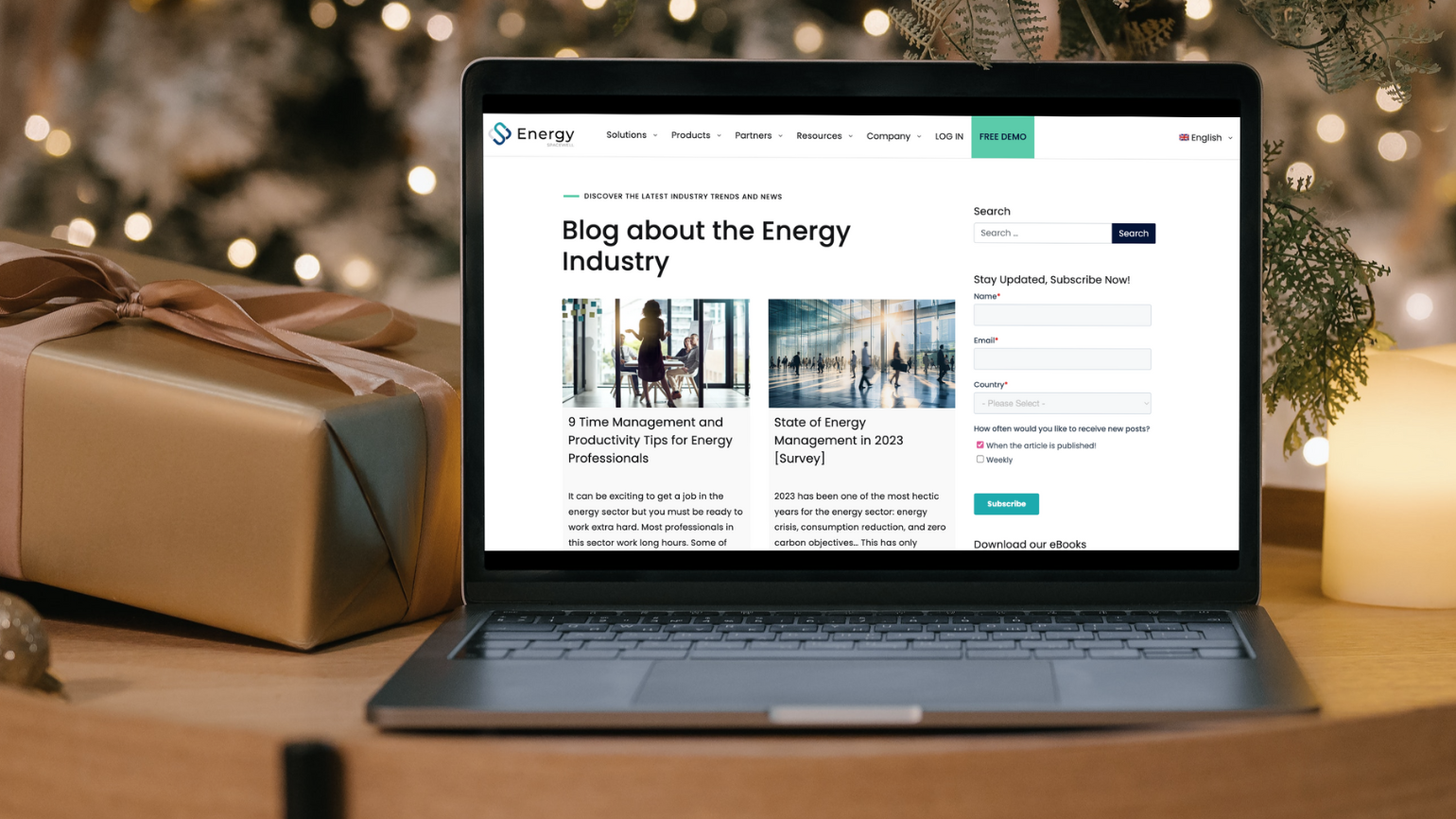

As you may have already seen during these weeks, our Energy Management Report has been recently published. With this, we have broken down the analysis by examining perspectives based on the type of organisation. Today it’s the turn of companies in the tertiary sector.
In the 2023 Energy Survey, we had the honour of receiving insights from professionals representing a diversity of roles, companies, and sectors within the industry. Although the majority of responses come from energy companies such as Energy Service Companies, retailers, renewable energy firms, or hardware manufacturers, we have also received responses from non-energy related companies.
We refer to these organisations as the Tertiary industry. In 2023, 25% of the participants come from sectors as diverse as real estate, industrial, financial, tourism, educational, public administration, or logistics.