
The building stock is a major consumer of energy and accounts for 40% of total energy consumption in Europe. Approximately half of this consumption occurs during the design and construction phase and has to be controlled by builders, engineers, architects and other actors.
The other half occurs during the lifetime of buildings (IDAE), as they require lighting, heating, running water… Once the building is up and running, energy consumption is constant during its lifetime. Part of this consumption is necessary for a building to function normally and for users to be comfortable in a safe space.
The problem is that it can sometimes be difficult to make the distinction between necessary and superfluous energy consumption, which leads to overconsumption.
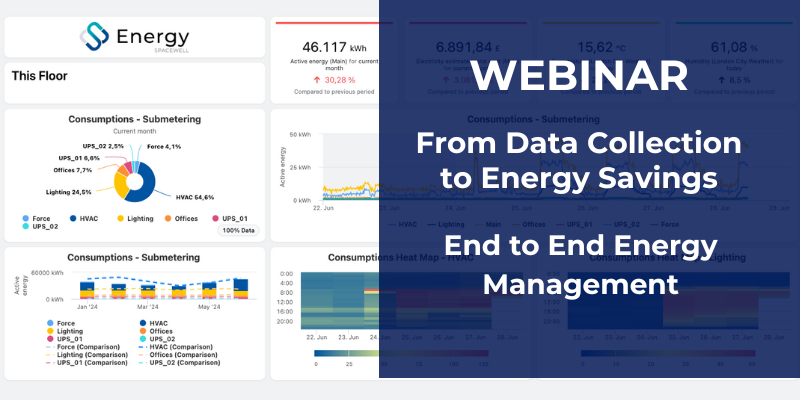
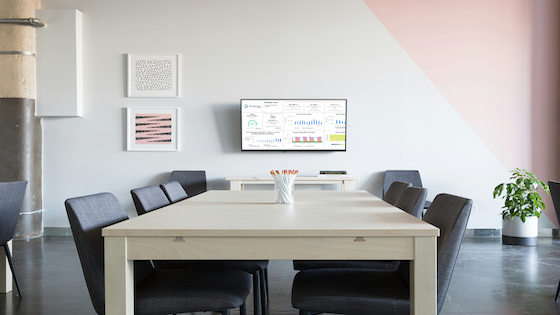
The first step to identify necessary consumption and start reducing your energy consumption is to gather data which can come from your invoices, your meters, your monitoring systems, etc. The more detailed the data is, the easier it is to interpret them and thus the better the results (and therefore, the treatment chosen for your building). Indeed, if the data is incorrect, your conclusions will be biased. This is where implementing an Energy Management System (EMS) will be of great help to your company.
Keep on reading if you are not sure to have a good understanding of how an EMS works if it would be a useful investment for your company, or if you just want to convince someone to get you started.