Client
Frederiksberg Municipality, Denmark (via Partner NIRAS)
Scope
Implementation of Spacewell Energy’s software to monitor energy consumption at public buildings in Frederiksberg.
Saving Energy in Public Buildings: A Case Study
Publicly managed or owned buildings represent a significant part of the overall building stock and they are all around us. In reality, it doesn’t really matter if a building is public or private, it contributes on similar terms to energy consumption, carbon emissions and contributes to energy demand to the grid. But let’s see more.
Smart Energy Management at the Frederiksberg Municipality, Denmark
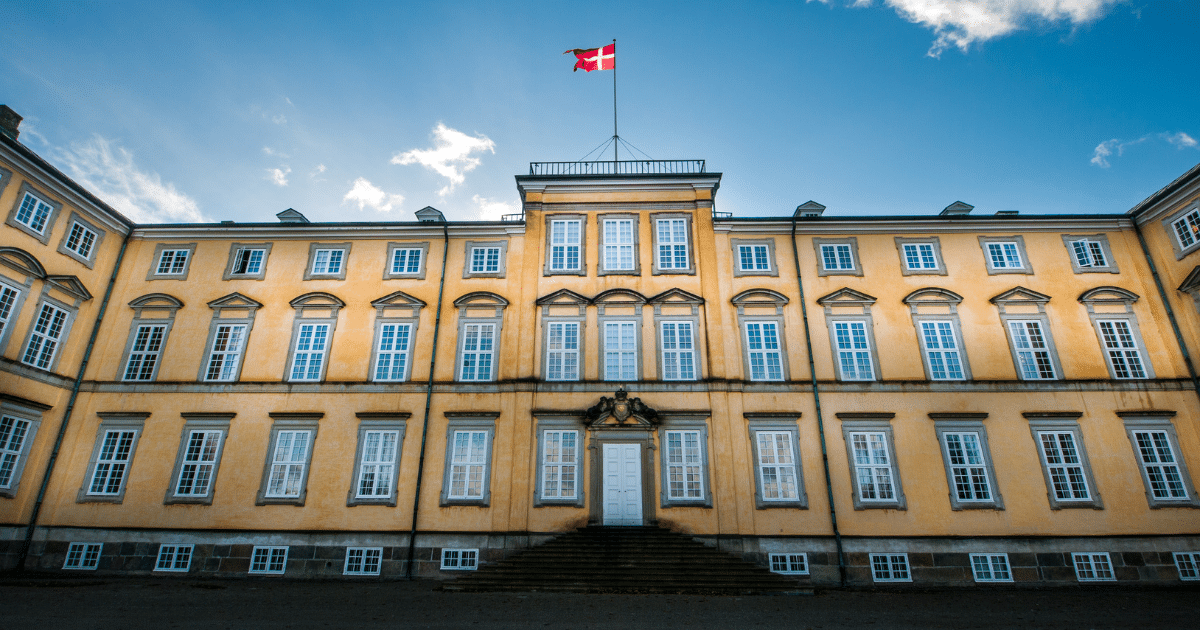
The Frederiksberg Municipality in Copenhagen, with 100.000 inhabitants in a 500.000m2 area, is one of the most densely populated in Denmark. A large proportion of energy consumption within the municipality comes from public buildings: mainly from heating, ventilation and cooling and represents about 40% of the total. They decided to start saving energy in public buildings as part of an effort to reduce overall emissions and to lead other players in the area by example.
They reached out to our partner Niras to act and with their advice they started using the Spacewell Energy Platform as their day-to-day energy management tool.
Between a dedicated in-house team and the constant support of Niras, the project focused on accessing reliable and regular energy consumption data. With the objective to reduce consumption where possible and to avoid and detect possible problems or waste.
The Energy Challenge of Saving Energy and Costs in the Public Administration
To accomplish a real reduction in energy and demonstrate the real potential for energy savings, it was necessary to identify the current consumption, possible energy waste and put all the information together.
However, the available data was inconsistent. Either the readings weren’t regular enough or there was no data at all. That’s what the municipality wanted to solve and when Spacewell Energy came into place.
Through the services of the Danish consulting engineering firm Niras, the configuration of the Energy Management System (EMS) began, along with all the system set up and definition of thresholds and alerts. Spacewell Energy became the center for data gathering and analyzing in this project, quickly proving more useful than the previous EMS in place.
The configuration of the software was accompanied with the introduction of over 1000 meters. Of those, 600 were for electricity, 200 for water and 200 for heating, approximately. These have been key to obtaining remote hourly readings, fixing one of the initial issues with data gathering, and defining benchmarks for similar buildings, like schools for example.
Through the EMS, energy savings are now tracked and documented. Also, alerts have been set up to notify the energy managers of potential anomalies in the consumption. This has helped identify and resolve, for example, water waste generated by a broken pipe.
Results of the Energy Efficiency Plan in the Municipality
Spacewell Energy is now a central part of the energy management for the Frederiskberg Municipality and is used daily by the team. Energy savings are clearly documented and there is a special focus on reducing energy and water waste. For example, standby consumption at City Hall has been reduced and fixes in ventilation and lighting have been undertaken.
Over a period of time, the Municipality has achieved 8% savings in electricity and 6% in heat.
Next steps include building an energy culture throughout the area. That will be done by providing information and advice to building users about their day-to-day energy management. Some of the data gathered via the EMS will be used to clearly report to politicians and citizens, based on reliable readings and results.
Besides, there will be a moment to identify areas for investment to continue saving energy and making the municipality more energy aware.
Why should Public Buildings Save Energy?
Publicly owned buildings have many shapes and forms. They can be town halls, schools, libraries, offices, theatres, embassies… The list is very long.
The building characteristics may be the same as other sectors. A town hall has similarities with an office building or a bank branch, for example. However, what makes public buildings different is the owner or manager and their key objectives. Public authorities are not driven by economic factors the same way as private companies. But managing costs to spend taxpayer money wisely is still something that needs to be taken into account, also in line with the growing importance of energy efficieney and savings across all sectors.
As more requirements and regulations come into place to encourage private businesses and building managers to save energy, the administration cannot stay aside. You can lead by example by:
- Demonstrating that you also abide by the rules
- Spend money in efficient actions and save taxpayers money
- Contributing to the overall energy reduction goals of the region and country
Where to start? By analyzing current consumption, measuring energy consumption and identifying the first areas to take action. There are many initial steps you can take. If you haven’t taken any energy saving measures yet, there is a lot of room for improvement. Energy can be saved in many of your buildings, and you can start by taking “quick” and easy steps to get started. From changes in lighting, HVAC or reviewing your energy power contracts, for example.
You can also take a step forward and do an energy audit to identify clearly the areas where you can implement the most effective measures.
Take a look at Spacewell’s tailored online demo, that you can set up in under 60 seconds, to learn what Spacewell Energy can do for your organisation.

“This project has contributed to our understanding of the potentials surrounding data-based energy management. We can access hourly data on all water and heating systems through the Platform, and some features help us for example detect issues and energy waste in the municipal properties. This helps us save a significant amount of energy in the municipality.”
Energy Expert at NIRAS