
Did you know that the building sector is one of the main sources of greenhouse gas emissions in the EU? According to statistics, 40% of energy consumption in Europe comes from buildings. This has led the European Commission to create Directives on Energy Efficiency which oblige the improvement of the energy efficiency of buildings, thus, introducing the concept of NZEB or Near Zero Energy Building. This desire is reflected in The European Commission’s long-term strategy for 2050, which acknowledges the necessity of an almost complete decarbonisation of the building sector to achieve its climate objectives. In this article, we explain what exactly an NZEB building is and its importance in sustainable development.
Energy Efficiency in Shops: what Measures to put in place

It was a sweltering summer, and so was the energy news! Have you noticed that the topic of energy saving is currently at the heart of all conversations? Energy efficiency, new regulations, decrees or energy saving measures…No matter what type of media you visit, you can’t miss it. The time has come to reduce our energy consumption. Individuals, companies and local authorities are all being called upon to use less energy. But, in concrete terms, what is expected from companies?
Keep on reading to know more!
Why use Dashboards to Implement your Energy Efficiency Plan
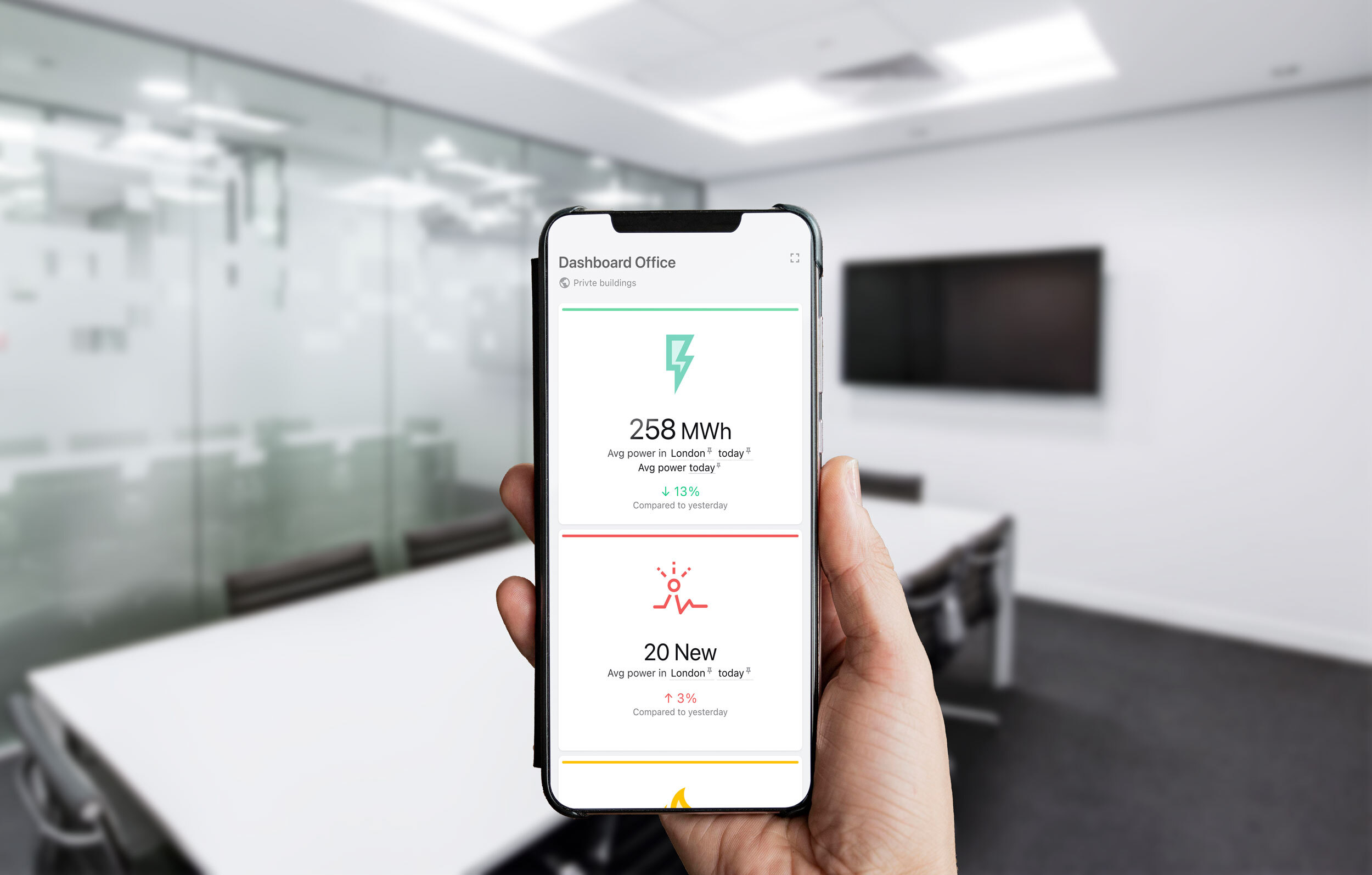
Have you ever been in a situation where you wanted to take steps to improve your energy consumption but didn’t know where to start? Maybe you have already heard of Energy Dashboards?
Today, we would like to introduce you to this reporting and advanced analytical tool that can provide you with precious information about your energy consumption, in a form that you can understand it easily and use it as a basis for taking relevant and clear action toward greater energy efficiency.
Energy dashboards are a great type of support at every level of a company. Indeed, they will benefit engineers, analysts, energy managers and employees in their effort to improve energy efficiency and meet benchmarking mandates.
Keep on reading if you are interested in learning more about this fantastic advanced analytical tool and how your company can benefit from its use.
Energy Intelligence: The Use of AI in Energy Management

Artificial intelligence is everywhere in our lives, from powering search engines, through product recommendations, to phone unlocking by facial recognition…So how can artificial intelligence be defined? “In its simplest form, artificial intelligence is a field that combines computer science and robust datasets to enable problem-solving” (IBM).
This concept and its use are becoming increasingly popular in the field of energy management, in spite of some doubts and misconceptions. Indeed, while some professionals are still sceptical about AI’s effectiveness, others may be reluctant to share their data or are still hesitant to take the leap because it seems too complex.
The use of Artificial Intelligence in the energy sector is very diverse and can be applied to any industry. There is an enormous potential for Energy Services Companies to benefit from technology and help clients achieve their energy efficiency goals. But how can AI be leveraged to provide the right customer with the right information at the right time so that they make more enlightened decisions that will directly affect costs?
In this article, we will talk about how AI is (re)shaping the energy sector and how ESCOs can benefit from its use. So… if you still have some reservations, or if you are interested in Artificial Intelligence and want to know more, keep on reading!
5 Ways to Reduce Energy Costs in Manufacturing

Manufacturing businesses across Europe are striving to reduce their energy usage and costs as they continue to rise, affecting bottom lines and ROI. The planet is also negatively affected by industrial energy use, responsible for 26% of greenhouse gas emissions worldwide. In the UK, the sector is said to consume 17% of the total country’s energy demand.
With Brexit, some challenges in industrial energy consumption have only intensified in the UK. Bringing up the topic of energy management in the corporate boardroom is an important first step, but what is even more critical is taking a holistic approach by following up and translating those conversations into concrete actions.
It is estimated that a third of manufacturers in the UK do not have any energy goals in place nor have set any KPIs to measure their progress. In addition to this lack of long-term vision, the current energy crisis generating an outstanding rise in energy costs often leading to missed opportunities made it harder for manufacturers to control their expenses and thus, remain competitive.
In this article, discover five measures you can take today to reduce the burden of high energy costs in manufacturing, regardless of your sector of activity.
Telecommunications Industry: Improving Energy Efficiency [Case Study – Ooredoo]
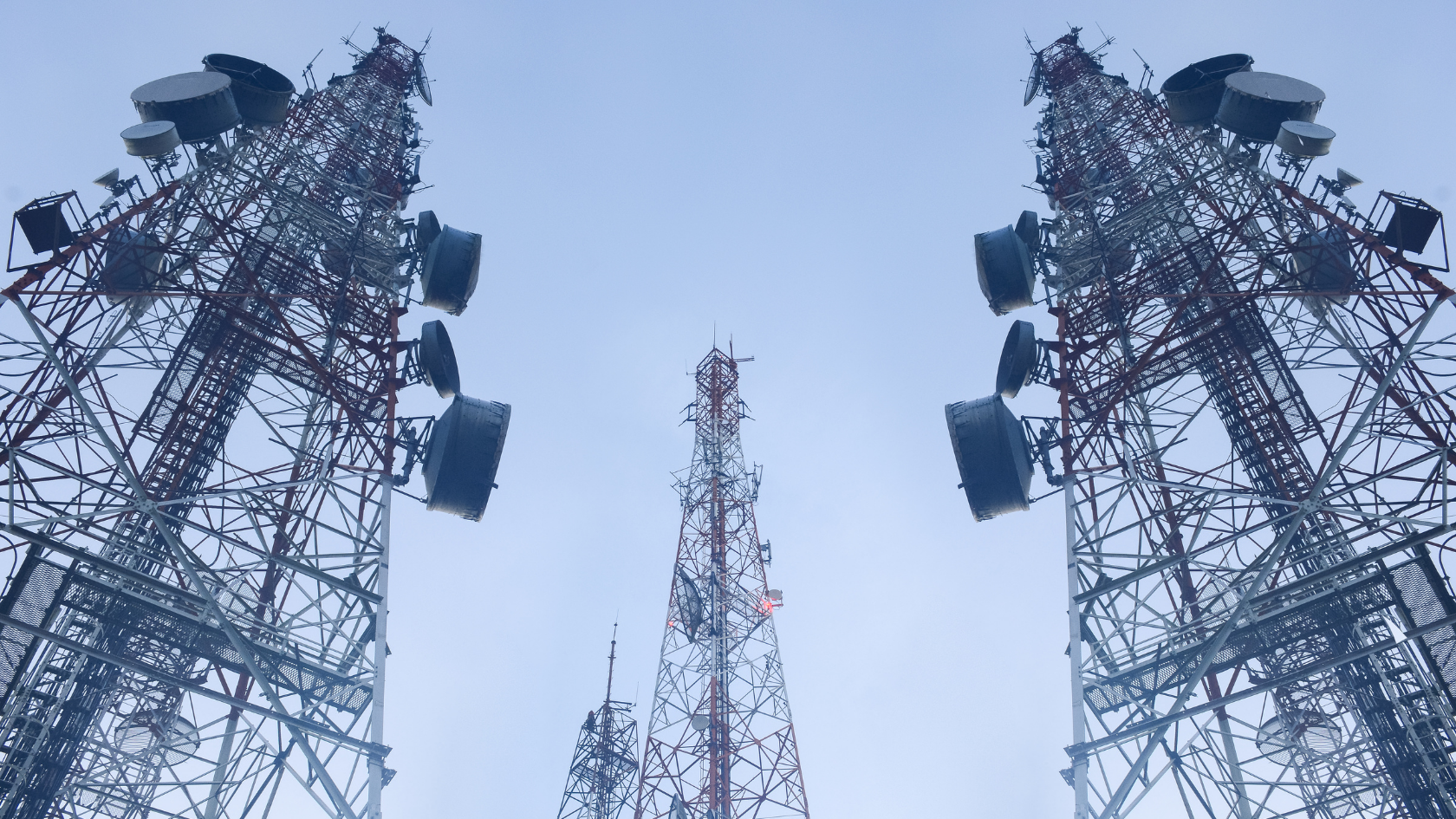
The communications sector continues to grow every year, driven by the societal need to be connected at all times and to have access to information in real-time. In the UK, the sector keeps 68.9 million inhabitants connected to the world. In 2020, the revenue generated by British telecommunications amounted to £31 billion.
Every day, telecommunications providers try to improve their offerings to meet the increasing demand for higher-speed networks. And in an extremely competitive industry with demanding customers who want to find the best deal on the market to satisfy their requirements, companies have no choice but to adapt to stay relevant.
In this article, we will talk about the challenge of energy efficiency in the telecommunication sector through the example of Ooredoo, a Qatari telecom provider.
6 Common Mistakes in your Predictive Maintenance Plan

Carrying out a predictive maintenance plan is a smart way to avoid future costs, you know that. And in order to do this, you will need predictive maintenance software and a plan. But what are the most common mistakes made in a maintenance programme of this type? Here is a list of the 6 most common errors made by building managers and/or facility managers.
5 Technologies to Extend Utility Energy Services

Utilities in deregulated markets are under more pressure than ever to attract and retain customers and are therefore more motivated to consider new technologies to extend their energy services offering.
In our previous articles regarding the Future-Proof Utility, we discussed digitalisation and client loyalty as a push for innovation, and the importance of a customer-centric approach. While both of these concepts are of crucial strategic importance, technology is the vehicle that will ultimately bring the future-proof utility into being.
In this article, we will discuss 5 technologies utilities are exploring and investing in, and what kind of capabilities are needed to meaningfully expand their energy services.
How to Achieve Sustainability in Your Buildings

As a real estate professional, do you manage buildings with very different characteristics such as offices, factories, supermarkets, or warehouses?
Regardless of your focus, energy management and more precisely, understanding how much energy buildings consume is certainly one of your priorities. Therefore, tracking the consumption of your properties, in large portfolios with multiple locations, or in a single building with different spaces, is a must.
Energy Efficiency and Carbon Footprint Reduction in Real Estate [WEBINAR]
The real estate sector is undergoing major changes. More than ever, awareness and regulation in favour of a sustainable sector are changing the economic landscape.
Sustainable building portfolios are increasingly in demand at every stage of their life cycle. Therefore, strategies and tools to help identify and implement sustainability and energy efficiency measures are becoming ever more important.
Moreover, achieving energy efficiency in the real estate sector is a real advantage. Indeed, it increases competitiveness and addresses sustainability issues, while complying with legislation and ESG criteria.
ISO Quality Standards and Energy Management
Can you tell the number of ISO certifications or quality standards your company holds? Difficult, isn’t it?
The world of professional certifications is expanding to harmonise quality standards between countries. Although they are becoming increasingly widespread, you may have doubts regarding their usefulness.
You are not the only one to think so.
International certifications are extremely useful in setting standards for organisations and companies. They help define quality standards in regards to the extent to which companies are respectful of the environment, whether resources are managed efficiently or how personal data and information are handled. In this article, we review the main standards and certifications of the International Organization for Standardization (ISO), as well as their relationship to energy and to each other.
Spacewell Energy (Dexma) is ISO 27001 Certified
 To become ISO 27001 accredited, Spacewell Energy (Dexma) went through extensive company-wide audits and has successfully passed all the necessary stages to obtain the certification. The ISO 27001 accreditation is the assurance that we have achieved a functional, structured, secure and scalable system and that quality and consistency are at the heart of our activity.
In a world of pervasive technology, the security of personal data has become an increasing concern for both individuals and companies.
Therefore, obtaining this certificate allows Spacewell Energy (Dexma) to provide solid guarantees to their clients and partners that data is managed according to international best practices and that the company complies with the regulatory requirements such as General Data Protection Regulation (GDPR). The decision to pursue this accreditation also demonstrates great data-related risk awareness, consideration and safeguarding.