
Facto has published an in depth article on the Dutch central government’s workplace management system pilot, based on an interview with Paul Pegels, program manager Physical Work Environment at the Ministry of the Interior and Kingdom Relations. In this interview he shares how the government uses workplace data to rethink workspaces and real estate. Spacewell is proud to be the technology partner behind this system, turning 14,500 motion sensors into actionable insights about occupancy, behavior, and workplace needs.
Data driven workplace management in government
The workplace management pilot started in eight government offices. The goal was to get an objective view of workplace use. Before this, teams relied on manual counts and gut feeling. Now, with sensors at workstations and in meeting rooms, facility teams can actually see what happens. With sensor data collected in real time, facility teams finally see which spaces are actually used and which ones are not. This highlights reasons for low usage too. Some rooms are too warm or too cold. Others simply do not fit how people work today. Instead of relying on assumptions, teams make decisions based on facts.
Workplace occupancy insights from data
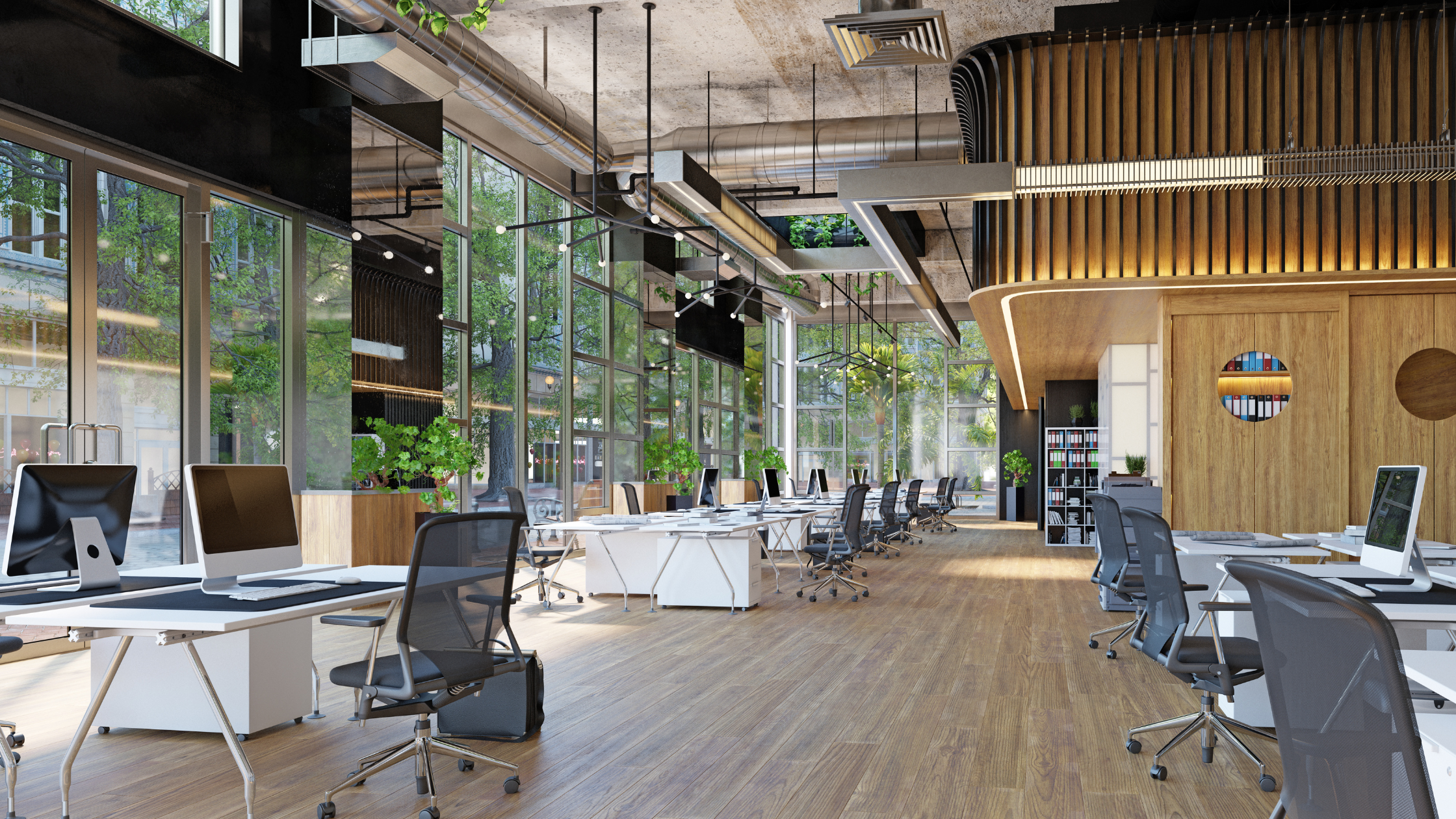
One of the key insights is that perceived peak occupancy is often a myth: employees may experience the office as full, while data shows that actual occupancy rarely exceeds about 60 percent. This shifts the conversation away from “we need more desks” toward “we need a better mix of spaces,” such as more focus areas, phone booths, and informal collaboration zones, and fewer large meeting rooms that are never fully occupied.
Workplace management system privacy and adoption
Introducing a workplace management system is as much about people as about technology. Questions about privacy and monitoring come up quickly. The system therefore records presence data, not personal data. Reservations are anonymized after use, and profiles are only visible if employees choose this.
There are also practical challenges. People move furniture, so digital floorplans and reality no longer match. Others try to game the system by covering or moving sensors. Each of these situations triggers new discussions and fine tuning. Paul Pegels emphasized that workplace data is most valuable when it is used to spark real, fact-based conversations with employees about their needs and how the workplace can support the way they want to work.
“You often don’t need more places, but more variety of places”
– Paul Pegels
Program manager | Ministerie van Binnenlandse Zaken en Koninkrijksrelaties

Scaling Spacewell Workplace across Dutch government offices
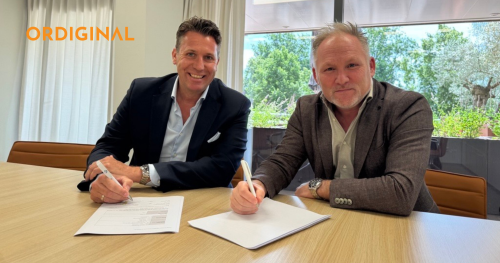
This pilot is part of a broader collaboration in which the Dutch central government has selected Spacewell to provide its workplace management software at scale. A formal contract is in place to roll out Spacewell Workplace nationally to roughly half of the government’s 159 offices, focusing on locations with more than 1,000 workplaces and equipping them with sensors in phases from 2026 to 2027.
Spacewell’s platform supports both employees and facility managers in this transformation: employees can find and reserve suitable workspaces, while aggregated and anonymized data gives facility, real estate, and HR teams a shared, fact based picture of how the workplace is really used. This makes it possible to optimize layouts, adjust workplace policies, and rethink the portfolio, for example by consolidating square meters that are structurally underused.
Using workplace data for social and sustainability goals
A powerful point in the interview is that workplace data can create value far beyond FM. When occupancy and usage patterns are consistently low, it becomes realistic to consider divesting office buildings and transforming them into much needed residential space, turning workplace data into a concrete social contribution.
Pegels even compares this combination of workplace insights and other facility information to finding “the goose that laid the golden egg,” capturing his belief that smarter use of data will unlock major value for hybrid working, real estate optimization, and sustainability. Looking ahead, the ambition is to enrich the workplace management system with additional data sources such as CO₂ sensors and people counters, and to link it with systems like access control so that insights on presence, air quality, and usage can further improve employee experience and support more sustainable, future proof government offices, with Spacewell’s technology as an important enabler.
Readers who want all the details of this inspiring government case can click here to read the full Dutch article on Facto’s website.
Request a demo
Want to achieve similar data driven workplace insights and office optimization in your own organization? Fill out the form below and we’ll get you started.